
Welcome to the South African Honeybush Tea Association
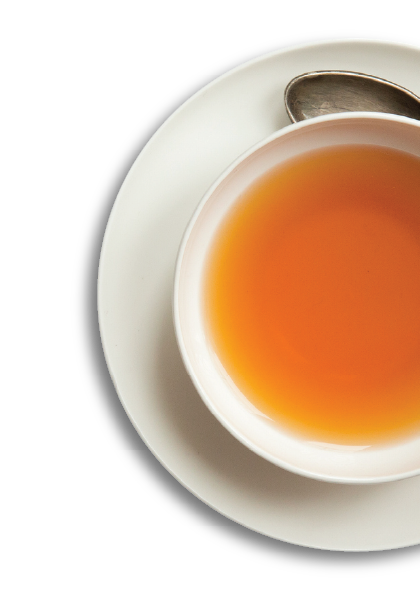
SAHTA, where natural wellness meets conscious consumption. Allow us to take you on a journey of flavours and benefits, all derived from the rich heritage of our beloved Honeybush tea. Embrace the natural goodness of South African Honeybush tea and elevate your wellness journey.
What is SAHTA
SAHTA is a dynamic and multifaceted organisation dedicated to advancing the Honeybush Industry and ensuring its sustainability.

Strategic representation
for industry growth

Advocating inclusively and resiliently for the industry

Empowering businesses for success

Championing environmental
conservation
Preserving the cultural Khoisan heritage

Uniting stakeholders
for shared values
Discover the essence of pure honeybush goodness
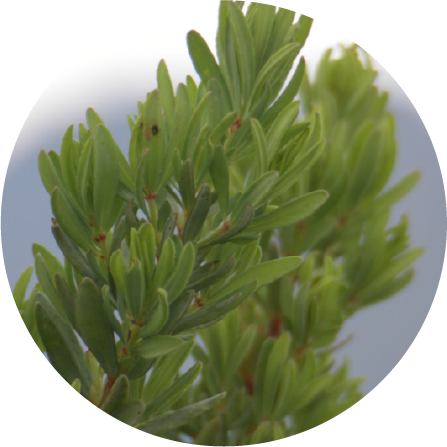
Honeybush (Cyclopia species) plays a crucial role in South Africa’s fynbos, flourishing in the expansive regions of the Eastern and Western Cape provinces. Among the 23 species, only a select few are chosen for tea production. Notably, the cherished Cyclopia species used for tea include Intermedia, Subternata, Maculata, Longifolia, Genistoides, and Plicata.
23 Species of Honeybush
Honeybush, a botanical gem indigenous to South Africa and part of the fynbos biome, represents the cornerstone of an emerging industry. Known scientifically as Cyclopia, this remarkable plant is known for its exceptional aroma, compelling flavour, and a comprehensive array of health benefits.
INTERMEDIA
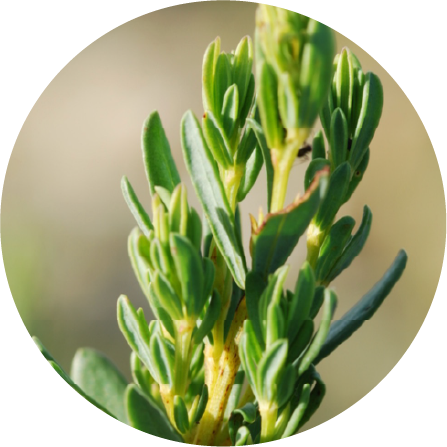
SUBTERNATA
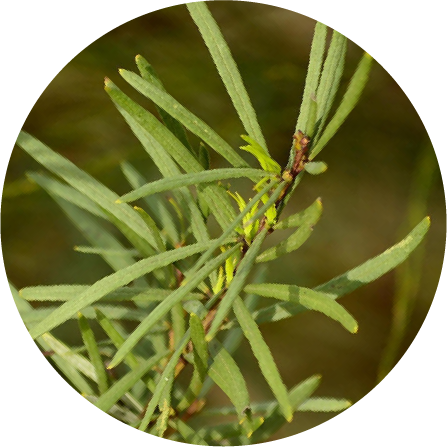
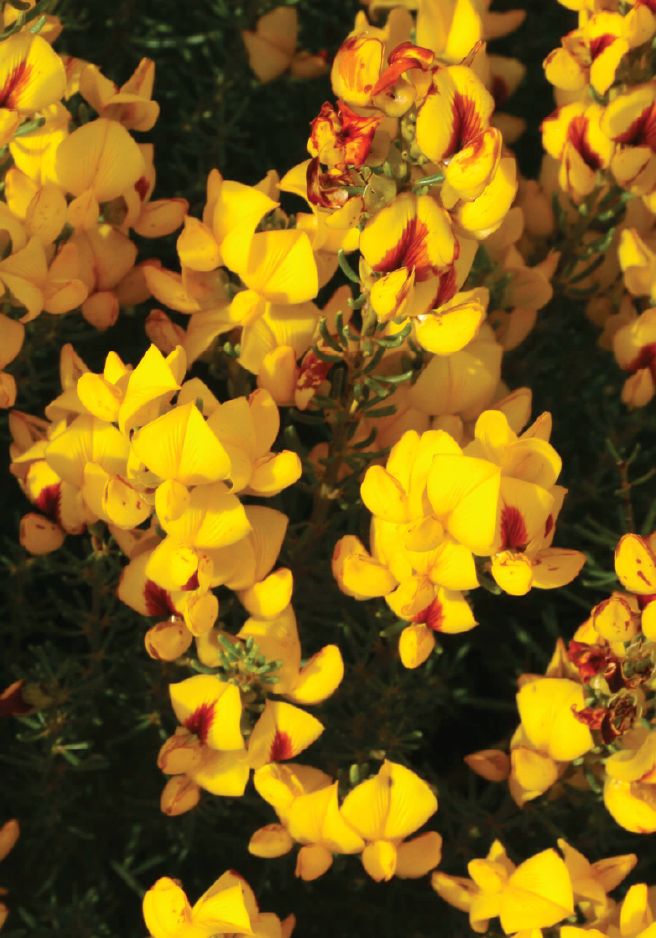
LONGIFOLIA
SAHTA Membership
Become a member of SAHTA and join a community dedicated to promoting the rich heritage of South African Honeybush tea. As a member, you’ll have access to exclusive benefits, including industry insights, networking opportunities, and resources to enhance your business success.
Honeybush processors
Tons exported in 2023
Tons harvested in 2023

Our Blog
Introducing the SAHTA Blog, your gateway to all things honeybush tea! Discover the latest trends, fascinating facts, and insightful articles that celebrate the natural wellness and conscious consumption of South African Honeybush tea. Join us on this incredible journey and elevate your wellness experience today.
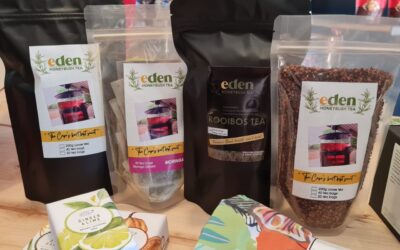
Eden Honeybush Tea: A Nationwide Flavour Journey
Embark on a journey of flavour and tradition with Eden Honeybush Tea, as they spread their wings across the nation, introducing their exquisite new tea brand to tea enthusiasts far and wide. From the bustling Garden Route Mall in George to the prestigious stages of...
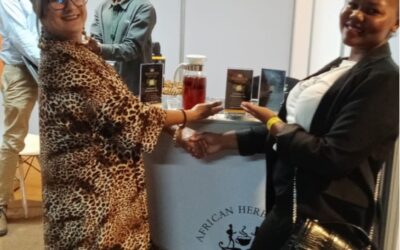
Sceletia mother & daughter dup shine at the Biodiversity Economy and Investment Indaba
Mother-daughter Indigenous duo Yolande and Eureka Le Roux form part of the quartet of shareholders that make up Sceletia Pty Ltd. They just exhibited at the 2024 Biodiversity Economy and Investment Indaba from 25 to 27 May 2024. It was a flagship gathering organised...

The Honeybush Company’s recent successes
Under Donovan Brunette's leadership, we celebrate the merger of IHPL and The Langkloof Honeybush Company to form The Honeybush Company. The company has broadened its horizons through a significant factory upgrade and a successful GFSI audit, thereby strengthening its...